Make the Equipment Fit the Routine
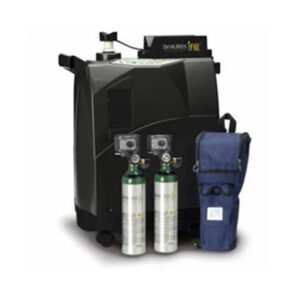
Respiratory equipment should support daily life, not feel separate from it. Patients may need help deciding where to place equipment, how to manage tubing between rooms, or how to prepare oxygen equipment and supplies for appointments, family visits, and other activities.
The Sail team can help patients and caregivers understand how long a battery or oxygen supply may last at the prescribed setting, which supplies should travel with the patient, and how to request replacements before they run low.
These practical details can help the routine feel clearer, more comfortable, and easier to manage.
Prepare for Questions and Changes
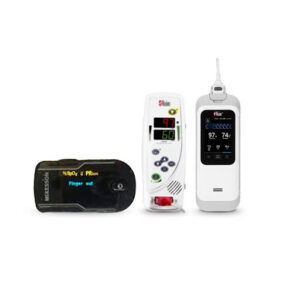
Even after equipment education, new questions may come up at home. Patients and caregivers should know who can help with equipment operation, supplies, alarms, and maintenance.
They should also have a clear plan for power interruptions, low batteries, or equipment concerns. Changes in breathing, comfort, or activity should be shared with the clinical team so the care plan can continue to reflect the patient’s needs.
Support That Continues With Sail Healthcare
Living with pulmonary fibrosis can involve ongoing adjustments, and every patient deserves support that recognizes both the care plan and the life they want to continue living.
Sail Healthcare provides more than prescribed respiratory equipment. Our team helps patients and caregivers understand the equipment, practice daily routines, coordinate supplies, and find answers as needs change.
Contact Sail Healthcare to learn more about respiratory equipment, personalized education, and ongoing support for pulmonary fibrosis care at home.